Info

eat drink nightlife rentals Excursions hotels shopping services weather sports lifestyle BIDI2
Info Restaurants Bars Nightlife RentaCar Ausflüge Hotels Shopping Service Wetter Sport Lifestyle BIDI
 486 Gäste online

Sprachwahl

EnglishDeutschEspañol

Google Übersetzung

Czech Dutch French Italian Polish Portuguese Russian

Fuerteventura Wetter

Fuerteventura
16 °C
    Fuerteventura 16°C    London 9°C    Frankfurt 3°C    Bruxelles 7°C    Mallorca 9°C    Antalya 7°C
[Details]

Index de

In this section we will guide you through the best places of Fuerteventura - Centre for any topic that you might be interested in. This section is a trip advisor that will provide you info on the best visit spots and things to do in Caleta de Fuste, Puerto del Rosario, Antigua, Betancuria, Ajuy and their surroundings.

Puerto del Rosario – town.

Puerto del Rosario (PdR) is the capital of Fuerteventura since 1860. The town has a couple of interesting main streets that can be walked easily. In these streets you will find all kinds of shops, bars and restaurants. For those who do not want to stroll around in the sun and enjoy terraces, you can visit the huge air conditioned shopping centre “Las Rotondas”. PdR also has a very active night life and most night clubs are grouped in 2-3 clusters.

Caleta de Fuste – town.

Caleta de Fuste (CdF) or Castillo has been developed especially for tourism, so there is no “old centre”, but CdF has done well to compensate for that: a nice and very safe beach, excellent water sport facilities, a beautiful harbour, new buildings spread all over with an enjoyable touch of greenery and several commercial centres where life is buzzing.

Caleta de Fuste – beach.

The beach is ideal for kids as there are only tiny waves – if any. If you are visiting the island by car with kids and you want to make a refreshing stop, then this is the place.

Antigua – town.

Antigua was built in the 18th century and is one of the oldest towns on the island. There are two main attractions: the church, dedicated to “Virgen de la Antigua” and the art centre (see museum pages).

Betancuria – town.

Betancuria was the capital of the island till 1834. It was founded in 1405 by Jean de Béthencourt. In 1593 it was attacked by the pirate Jaban who reduced the village to rubble. The church was rebuilt in 1691. Can you imagine that once this was a fertile area with plenty of water streaming through the village? Now, all has dried up and the inhabitants of Betancuria survive almost entirely from tourism. The restaurant “Casa Santa Maria” and the two adjacent craft shops are examples of the traditional architecture. You can watch here the local artists at work. The cathedral has become a museum (please see museum pages). To the north of the town is the monastery which was abandoned upon orders of Queen Isabella II of Spain. The roof of the monastery was sold to obtain food, grain and water because of droughts. The outside of the church of San Buenaventura has been restored.

Betancuria – Mirador Morro Velosa.

About 5 km to the north of Betancuria. Splendid views on the incredible landscape of North of the island. A “must see”. (see museum pages).

Betancuria – the road to…

Apart from the nice spots in Betancuria, the road to the old capital is worth mentioning. No matter if you come from the south or from the north, both sides are worth the effort. The north part includes the “Mirador Morro Velosa” and the southern part includes Vega de Rio Palmas and a mountain road with stunning views. Please do stop at one of the parking lots, marked with a white gate and look over the edge. You might see the light grey-brown squirrels that will come to you – if you have the patience and something to offer.

Vega de Rio Palmas – village.

The valley and the village of the same name are one of the most beautiful areas of the island. The impressive church “Nuestra Señora de la Peña”, which was built in 1666 is surrounded by greenery. Once a stream was flowing through the village, but since the 16th century it has dried up and only during the winter months it will fill the reservoir. Just behind the dam is the tiny chapel “Ermita de Virgen de la Peña”. Vega de Rio Palmas makes an ideal stop off point when you travel around the island.

Ajuy – village.

Ajuy is situated on the West coast of Fuerteventura. The sea is a lot more brutal here as the waves come in directly from the Atlantic. To the north of the beach there is a path that you can walk towards the famous caves. On that path there a place that has been made secure to look over the cliff. Have a look and see and feel the power of the sea. Impressive! There is also a small exhibition centre, overlooking the beach.

Ajuy – beach.

The beach is of black sand but it will not stick to you. At times, when there has been a storm on the Atlantic, the waves will be impressive! Do not go out for swimming.

Fuerteventura is famous for its beaches and as mentioned before in all there are approx 152. Apart from those that are directly accessible by foot from your hotel you will find that most are deserted from people and devoid of the usual rows of deckchairs and umbrellas. On these beaches you have the pleasure of choosing your own secluded spot and that it will remain yours for as long as you are there. No crowds, no noise, no beach hawkers, just you! Be adventurous, hire a car or bike and find the many deserted beaches on Fuerteventura. However for the less adventurous we give you a guide to the some of the more accessible spots to spend a relaxing day in the sun. And very importantly please, please take your rubbish home with you. Thank you. Also remember if you go off the beaten track please take sun umbrellas, sun protection and lots of water!

Playa de Lajas – Puerto Lajas

Playa Blanca – Puerto del Rosario

Playa del Castillo – Calete de Fuste

Chilling out on Fuerteventura’s beaches is a marvellous experience, but if you may feel the need to visit some nice spots in nature, then the suggestions below can help you in making a selection.

Road Antigua-Betancuria-Pájara – Mirador “Morro Velosa”: the road to Betancuria is a typical “serpentine” road through the mountains. Superb views over the North of the island. Stop at the parking lots and watch the squirrels come to you for food.

Betancuria – Fuerteventura Forest: drive up the dirt track, about 1 km at your left after the village and enjoy the sound of the wind blowing through the trees. It is a particular noise, truly seldom on this island. There also is a BBQ area with free-to-use grills.

Vega de Rio Palmas – Gorge of Vega de Rio Palmas: walking through the gorge makes you feel tiny amongst the massive blocks of rock. Some of them are beautifully carved out by the water that ran here for ages. Please visit the tiny chapel.

Barranco “Los Molinos”: stop at the parking lot, just after Las Parcelas, and walk into the gorge North for 500m, then West. During winter there is natural sweet water and wildlife is abundant.

Ajuy – Caves: ancient port and storage area. The walk to and the caves themselves is impressive. Here, you really sense the power of the sea.

Ajuy – Rocky Gate: a rare and impressive geographic monument that you can reach through a 3 mile walk from the caves or through a 4x4 drive.

Tiscamanita – Caldera de Gairia: a nice walk around a recent volcano.

For those who want to learn more about the locals and their culture, we supply below a list of the most important sources of information:

Museums.

Puerto del Rosario – Casa Unamuno: home of the famous and banned writer Unamuno, who fell in love with Fuerteventura.

Puerto del Rosario – Centre of Art “Ismael”: contemporary art museum.

Tefia – La Alcogida: museum about the ancient local agricultural life.

La Ampuyenta – Casa Dr. Mena: small but cosy museum about local objects.

Caleta de Fuste – Museo de la Sal: salt museum where you can learn how inventive the ancient locals were to harvest salt from the sea. This salt was then shipped to mainland Spain.

Antigua – Molino de la Antigua: restored windmill, a craft shop, gardens with indigenous plants and a permanent exhibition on archaeological findings.

Betancuria – Archaeology Museum: exhibition about the culture of the ancient locals and about the first expeditions to Fuerteventura.

Places.

Vega de Rio Palma – Ermita: nice walk to a tiny chapel between impressive rocks.

Ajuy – Chalk ovens: on your walk to the caves you will see two big chalk ovens. From here the burnt chalk was shipped to mainland Spain.

There are so many kinds of sports and activities on Fuerteventura that we decided to grant this topic a separate space; please look under the tab or click here “Sports & Activities

biking-hiking2

Spazieren - Wandern & Mountainbiking

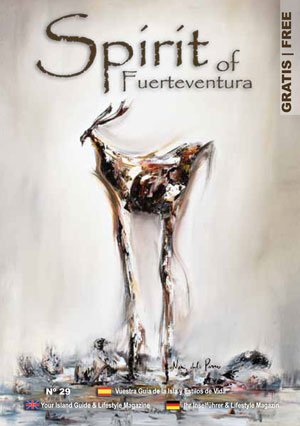
Edition 29

Spirit-29-1

Spirit of Fuerteventura - Ed 29.

Willkommen zur Edition 29 Spirit of Fuerteventura Reiseführer. Von der Startseite aus können Sie sich durch die ganze Information der neuen Edition klicken,und auch die Druckversion als PDF lesen oder herunterladen.

Viel Spass beim Lesen - das Spirit Team.

Online Edition 29

Druck-Edition 29

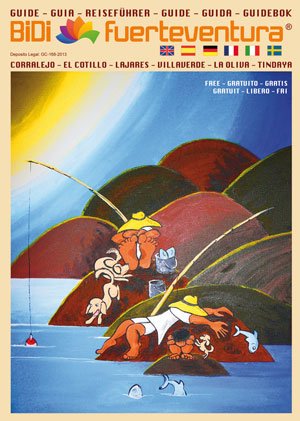
BIDI Fuerteventura

Nord

Sued

BIDI Fuerteventura

Ein umfassender Inselführer in 6 Sprachen.
Online Edition

bidihomewelcome

BIDI: QR-Code einscannen und den GRATIS Fuerteventura Führer für Handies und Tablets bekommen! Wenn Sie noch kein Scan-App haben hier frei runterladen www.scanlife.com

Spirit of Fuerteventura @ Facebook

facebook Spirit of Fuerteventura pages at Facebook

ankara ucuz otelleri g��nl��k ev kiralama ankara l��ks oteller ankara rent a car